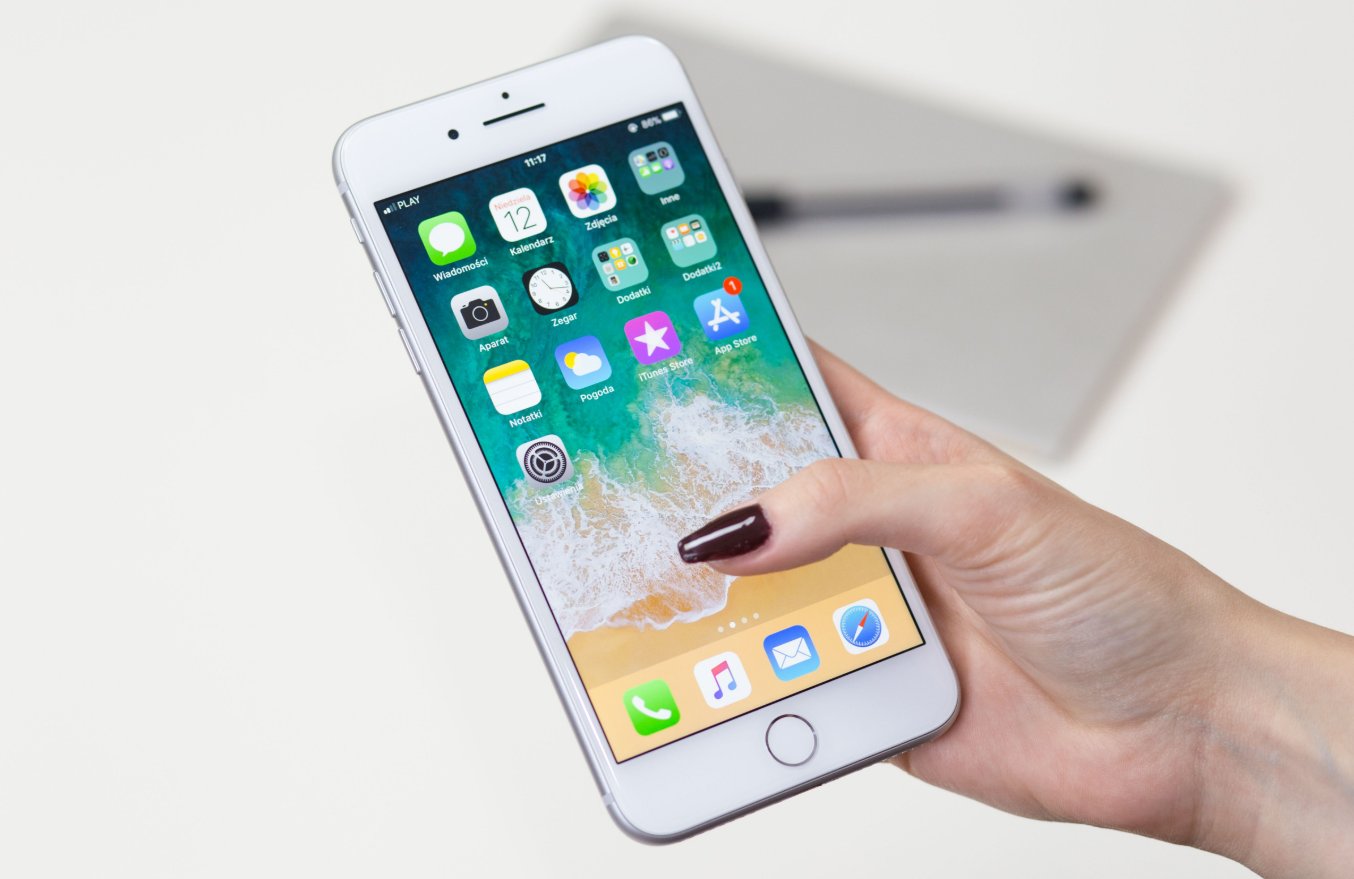
The wheel slows, passes the largest prize and stops. The whole thing takes a few seconds.
For entrants used to filling in a form and waiting for a drawing, that quick reveal changes the experience. The prize is still the main attraction. Now, the entry itself can be entertaining too.
When an Entry Feels More Like a Game
A traditional sweepstakes entry is straightforward: provide the required details, accept the rules and submit the form. Then comes the wait.
Instant-win promotions bring the result forward. A tile flips over or a wheel starts moving as soon as the entry is accepted. Some brands go further by adding trivia, matching games or short product-themed challenges.
These activities usually have no effect on the odds. Unless the official rules say otherwise, completing a game is simply part of the presentation.
Small rewards suit this format particularly well. A sponsor can distribute coupons or loyalty points alongside a much larger grand prize. An entrant may not win the advertised vacation, but a free drink or discount gives the visit an immediate result.
Plenty of people still prefer a simple form. Interactive features are an option, not a replacement for the familiar prize drawing.
The Daily-Entry Habit
Daily-entry sweepstakes fall somewhere between an instant game and a one-time drawing. The winner may not be selected for several weeks, yet entrants can return throughout the promotional period.
Some daily-entry sweepstakes include trivia or virtual wheels. Others ask participants to resubmit the same information each day.
Regular entrants often save the relevant pages and work through them during a spare few minutes. It becomes a routine. When the rules allow one entry per day, returning creates another eligible entry for the eventual drawing. Each one is still subject to the same stated odds.
Extra features can make those visits more interesting, although novelty wears off. Slow animations and unnecessarily long games soon turn a quick entry into a chore.
Finding Promotions Through Social Media
A giveaway may be hosted on a sponsor’s website even if most entrants discover it elsewhere. Promotions circulate through social posts, creator videos and recommendations from other sweepers.
Pew Research Center found that 84% of US adults used YouTube in 2025. Facebook was used by 71%, while Instagram reached 50%. Those are general platform figures, but they show the size of the audience brands can reach without expecting people to visit a company website first.
The entry journey might begin with an Instagram post and continue on the sponsor’s official page. Entrants may then return to social media to look for a winner announcement. Sharing the giveaway only provides an additional entry when that option appears in the rules.
Unfortunately, fake promotions can travel just as easily. A copied image may circulate without the original terms or sponsor details attached. Before entering, it is worth locating the official page and checking who is running the promotion.
Entrants who receive a winning message should keep a screenshot and compare the sender’s details with those in the rules. Checking the spam folder around the expected drawing date can also prevent a genuine notification from being missed.
What Does “Payout” Mean?
An instant result does not always provide immediate access to a prize. A potential winner may need to confirm eligibility, complete documentation or provide a delivery address. A digital coupon will usually arrive faster than a car or vacation package.
The word “payout” also changes meaning across different forms of online entertainment. A conventional sweepstakes awards the prize described in its rules. Some sweepstakes-style gaming platforms use virtual currencies that can be redeemed once certain conditions are met. Regulated casino sites process withdrawals from a player’s real-money balance.
Similar graphics can appear across all three. A spinning wheel on a promotional page may reveal whether an entrant has won, while the same type of animation in a casino game represents a wagered outcome.
Once withdrawals are involved, processing time becomes a separate consideration. People comparing the fastest online casino payouts can use Casino.org’s estimates to see whether listed operators typically process cashouts instantly or over several days. The actual wait may depend on the payment method and whether account verification is complete.
Withdrawal speed should not be confused with return to player, normally shortened to RTP. RTP estimates the proportion a game returns across a very large number of plays. It cannot forecast the result of one session. Quick processing also has no bearing on a player’s odds.
Legal US iGaming generated $10.74 billion in revenue during 2025, according to the American Gaming Association. Full online casino gaming was available in seven states, so access depends heavily on location.
The Rules Come Before the Reveal
Animations can make a promotion more enjoyable, but the official rules determine how it operates. They should explain the closing date, eligibility requirements and entry limit. US sweepstakes should offer a free way to enter.
Clear wording is important. In April 2025, the Federal Trade Commission sent more than $18 million in refunds to 281,724 consumers. The refunds followed allegations that Publishers Clearing House had misled consumers about purchases and sweepstakes entries.
The practical lesson is simple: buying something should not improve a person’s sweepstakes odds. An unexpected message demanding a fee before a prize can be released is another sign to stop and check.
For regular entrants, the presentation may change while the basic checks stay much the same. Read the rules, note the closing date and do not assume that a flashy reveal makes a promotion more trustworthy.