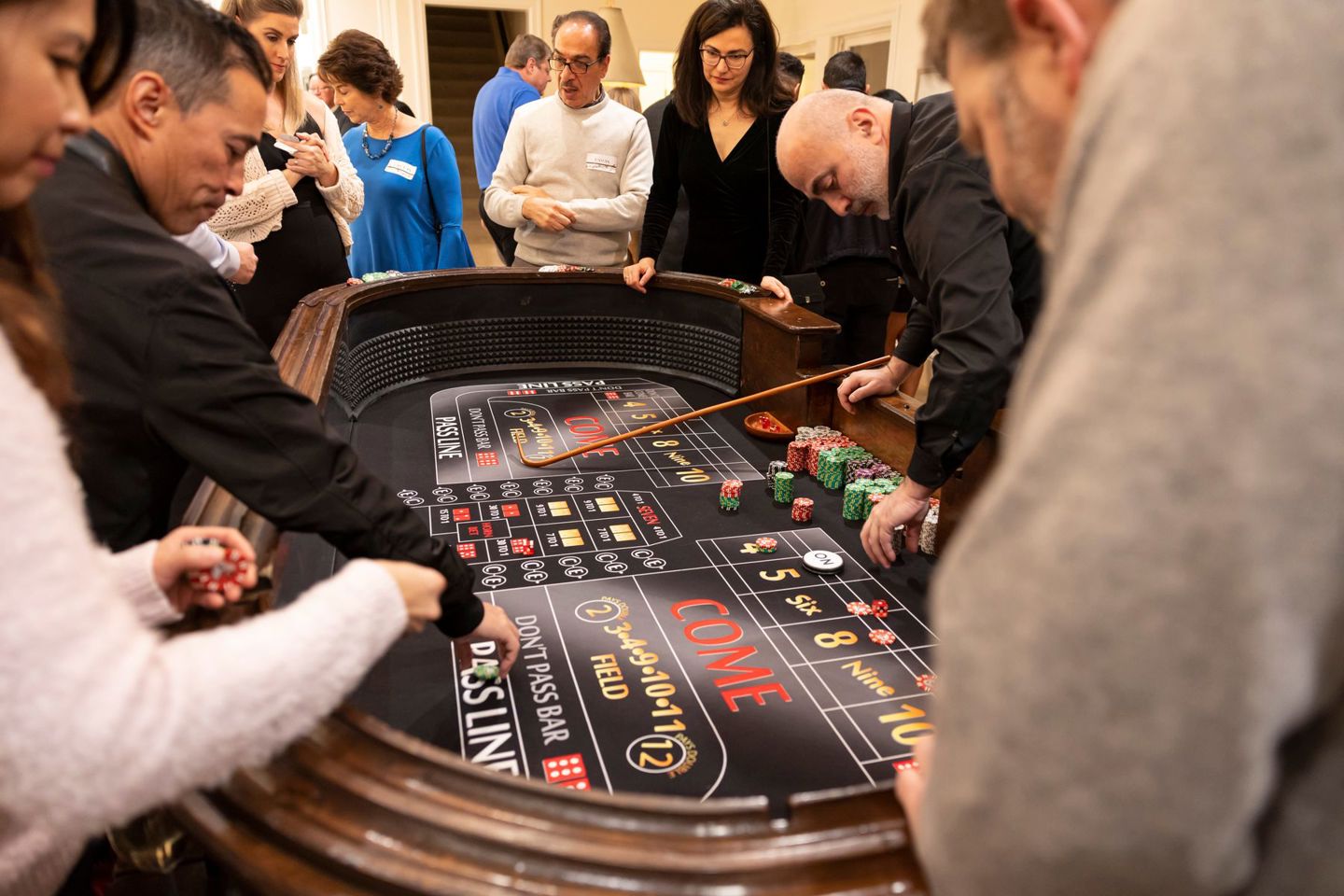
Craps has a regional cousin bearing New York’s name, and its newest relatives roll inside a bubble that now turns up in coin-based social casino lobbies. This article follows that line from a walled eastern table to live dice played with virtual coins.
Mention New York Craps to a Las Vegas dealer and you might get a shrug. Eastern players built that version around a wall the dice had to hit, and the idea behind it, taking the shooter’s touch out of the result, survives in bubble machines that tumble dice on their own. Live dice grew up on real-money casino floors, yet social casino lobbies running on virtual coins have become a newer home for them. New Yorkers hunting for New York sweepstakes casino alternatives will come across Card Crush, a digital card collection game where stacked Mystery Coins open casino-style slots and live-dealer blackjack and roulette with real hosts. In an interesting twist with this platform, card collection keeps levelling up in the background.
Nevada’s version set the template
Bank craps, the form Nevada gambling houses favor, hands the house about 1.4% on line bets, according to Britannica’s entry on bank craps, with steeper edges on special bets and some layouts. On $100 of line wagers, that’s roughly $1.40 on average. Coin-based lobbies swap cash for virtual balances, yet the dice math behind that edge stays put.
Britain and Australia adopted the game as well, Britannica notes. Its betting layout became the pattern later variants borrowed from or argued with.
New York Craps took a different table
Dice games pick up local accents. Britannica describes New York Craps as a bank craps offshoot popular in the eastern United States, with fans in the Bahamas and England, dealt from a configuration called a double-end dealer.
Its signature rule concerns the toss itself. Dice must strike a wall or bounce off a barrier, which ended any hope of a gentle, controlled lob (whether such lobs ever worked is another argument). Bubble tables push that logic further, since no hand touches the dice.
Prize hunters in the city have other ways to play for something without a cash wager. A recent sweepstakes roundup lists New York prizes such as Z100’s Jingle Ball at Madison Square Garden and an NYC Marathon tie-in.
Bubble machines put the dice under a dome
Back in 2013, Vital Vegas writer Scott Roeben described oversized dice bouncing inside one of these machines while players bet from touchscreen layouts. A big red button handled the shooting. Minimums ran $5 or less in his account, and payouts landed automatically with no dealer math involved.
He also spotted a trade-off: less table-side bonding among strangers. Over at the Las Vegas Advisor, editors file the same machines under electronic craps tables, sometimes called Roll To Win, with an electric bubble at the center where the dice tumble and settle.
Live streaming patches the social gap Roeben noticed. A host on camera beside the bubble brings back some of the table talk, and in a social casino lobby the chips become virtual coins.
Crapless rewrites the come-out
Crapless changes what the opening roll can do. On a standard come-out, a 7 or 11 wins a pass bet on the spot, while a 2 or 3 on the low side, or a 12 on the high side, loses it. Crapless craps turns 2, 3, 11 and 12 into point numbers, so the come-out pays out on a 7 alone, according to the Las Vegas Advisor.
Players arriving from slots will hear a handful of table terms on the stream:
- Come-out: the first roll of a round, which can settle a pass bet at once or set a point
- Point: the total the shooter has to repeat before a 7 shows
- Pass: the bet backing the shooter
- Don’t Pass: the bet against the shooter, missing from crapless tables
- Seven out: a 7 after a point is set, ending the round
- Proposition bet: a one-roll wager on a specific outcome
Count the combinations and the trade comes into focus. Of the 36 ways two dice can land, a standard come-out loses on four, about 11.1%, and wins on eight, about 22.2%. Crapless drops those instant losses yet gives up the 11, so instant wins fall to six, about 16.7%, and roughly 83.3% of come-outs set a point.
Extra action has a price. According to the Las Vegas Advisor, the house edge on a crapless come-out is 5.38%, against about 1.4% in the regular game, and the Advisor calls crapless a slightly worse game whose appeal is at least two rolls of action per bet. Odds bets narrow that gap, per the Advisor, with single odds bringing it to 2.94%; placing the 6 or 8, at 1.52%, rates as the strongest wager on the layout.
Coin-based play changes the currency, while the dice keep their math. Payouts and coin limits differ by table, and each live game posts both in a rules panel, so a look before the first come-out shows which version is rolling and how far a session budget will stretch.