How often should you wash a water bottle? Most people do not even bother with this question, even though their bottle has become ever-present; they take it to the gym, the office, even to their school bags and to their bedside table. Those reusable water bottles may look clean, but each time you take a drink, you are inoculating the bacteria in your mouth into the bottle, and the stagnant moisture is giving the best breeding ground for germs, mold, and yeast. This buildup can cause undesirable predations and indeed jeopardize your health in the long run. This buildup can cause undesirable predations and indeed jeopardize your health in the long run. You will find out the frequency of cleaning your bottle and how to best keep your bottle in this guide.
How Often Should You Wash a Water Bottle?
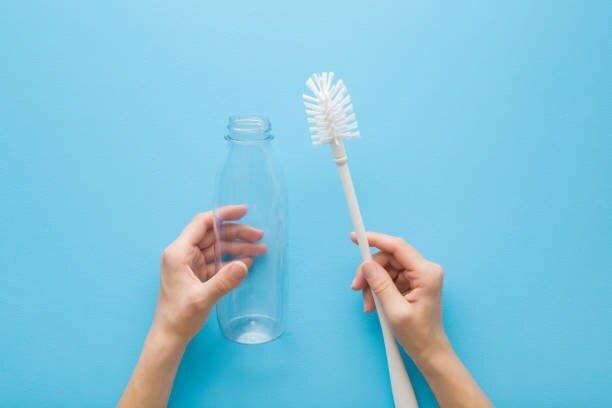
The healthiest and safest solution is every day, and after using, whether your bottle holds anything but plain water or not. As you drink even water, your mouth passes on to the bottle each time you take a drink, and moisture provides the ideal condition in which germs can proliferate. Daily washing removes smell, mold and potential disease. Sports drinks, smoothies, milk and flavored beverage cups should be washed immediately after usage to avoid leftover residues that breed bacteria and molds.
Daily vs Weekly Washing: What’s Best?
Washing daily is the most healthy and safe choice. The health experts concur that reusable bottles utilized on a daily basis need to be washed at least once every 24 hours. Bacteria in your mouth, even when drinking plain water, move into the bottle each time you take a sip. When the bottle remains closed and wet, it is the ideal place where the germs will multiply.
Bottles that are used frequently should not be washed weekly. When a bottle is left untouched for a few days, it is possible to develop bacteria and biofilm on the inside of the bottle despite the appearance of a clean bottle. To save time and ensure that regular washing does not fail busy parents, an automatic cleaner such as the Momcozy Baby Bottle Washer may take less time and offer greater effectiveness in cleaning hard-to-reach areas of bottles, nipples, and pump components and assist in milk residue and odor removal.
Bottles with milk, formula, smoothies or flavored drinks can never be washed after use since remnants left behind by such drinks breed bacteria and increase the chances of developing molds.
Factors Affecting Washing Frequency
Although washing every day is the standard practice, there are a number of reasons why you should wash your water bottle more frequently:
1. What You Drink
The plain water needs to be washed daily. Flavored, sweetened or dairy drinks must be washed after consumption.
2. How Often You Use It
The more times your bottle is refilled per day, the quicker bacteria increases, so daily washing is important.
3. Where You Take It
Bottles that are carried to the gyms, outdoor, workplaces and schools are more exposed to germs that lead to more contamination.
4. Bottle Material
- Plastic bottles are easily scratched, therefore making bacteria to be hidden in small crevices- that is, they require additional frequent cleaning.
- Bottles made of stainless steel are more resistant to bacteria, but still need washing on a daily basis.
- Glass bottles are less difficult to wash, but must be washed every day.
5. Storage Conditions
Storing your bottle in a hot vehicle, bag or locker room accelerates the development of bacteria significantly.
Health Risks of Infrequent Bottle Cleaning
Failure to wash your water bottle frequently can expose your health to a number of health-related issues.
1. Bacterial Infections
It has been discovered that the collection of water in dirty bottles can be more bacterial than toilet seats. Using a dirty bottle will expose you to stomach bugs and sore throats, among other infections.
2. Mold Growth
Mold proliferates best in humid environments. Once you have gotten mold in your bottle or your straw top, it can be hard to remove entirely, and when in contact with it, you can experience difficulties with breathing, allergies, and headaches.
3. Bad Odors and Taste
A dirty bottle is likely to smell dusty and cause the water to taste suspicious, and therefore hard to stay hydrated.
4. Weakened Immune System
Constant encounter of the bacteria at low doses may bring about a feeling of strain in your immune system and expose you to a disease.
Tips to Keep Your Water Bottle Clean Longer
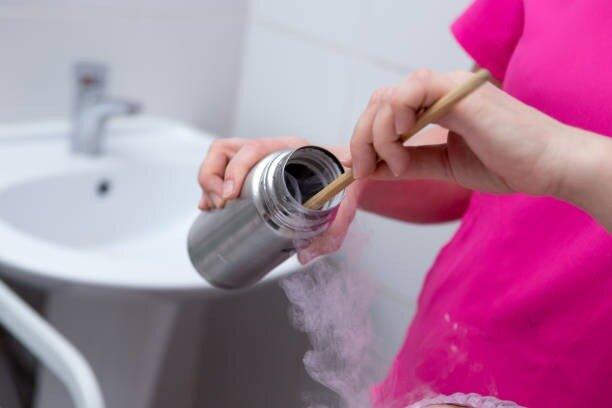
Although washing every day is still necessary, the following tips can make your bottle last longer between cleanings:
- Empty your bottle daily. Don’t leave water sitting overnight.
- Air-dry completely. Humidity promotes the growth of bacteria.
- When not in use, store with the lid off.
- Avoid sharing your bottle. Transfers bacteria from other people.
- Run under a little water after each use unless you can wash at the time.
- Clean narrow spouts and lids with a straw brush.
- Do not leave your bottle in hot places such as cars or gym bags.
Best Practices for Washing Water Bottles
Daily Cleaning Method
- Assemble the bottle (lid, straw, rubber seals).
- Clean with hot water and dishwasher soap.
- Clean the inside using a bottle brush.
- Wipe the mouthpiece, lid and straw.
- Wash thoroughly and leave to dry fully.
Deep Cleaning (1–2 times per week)
For extra sanitation:
Vinegar Method
- Fill the bottle halfway with white vinegar.
- Combine warm water and allow it to stand overnight.
- Scrub and rinse thoroughly.
Baking Soda Method
- Put one teaspoon of baking soda in warm water.
- Shake, rest 30 minutes, scrub, and rinse.
Dishwasher (if labeled dishwasher-safe)
- Put the lid and the bottle on the top rack.
Conclusion
So, how frequently do you wash a water bottle? The safest situation is that of every day, and as soon as it is used, in case it is not pure water. Your bottle may be clean; however, unknown bacteria, mould and residue multiply quickly, and what was initially an innocent habit turns out to be a health hazard.
When you wash your bottle daily, deep-clean it regularly, and use the correct methods when drying and storing your bottle, you can keep your water with a fresh flavor and avoid bad smells and also keep your health safe. A clean bottle is not all about freshness, but a necessity of being really hydrated and healthy. We hope our Sweepstakes Advantage members found this bottle washer article helpful.